Legal insights
Explore legal updates and perspectives from the Adverit Antwerp team.
Filters
Nothing to choose yet
No matches
No matches
Featured
 The ® and ™ Symbols Next to a Trademark – Rules for Use and Penalties
This article examines the legal significance of the ® and ™ symbols when used alongside trademarks in Poland and the EU. It explains the distinction between registered and unregistered marks and the conditions under which each symbol may lawfully be used. The piece outlines potential penalties for misuse, including consumer protection and unfair competition consequences. It is aimed at businesses seeking to properly signal trademark rights in their branding materials.3 September, 2026
 Power of Attorney in Poland
This article explains the legal concept of powers of attorney under Polish law, covering how they are granted, revoked and used in practice. It outlines the different types of powers of attorney recognised in Poland, including general, special and commercial proxy forms. The piece also discusses the formal requirements for validity, including notarial deed requirements for certain acts. It addresses the consequences of acting without proper authorization and the position of third parties dealing with an agent.3 September, 2026
 UBO / Ultimate Beneficial Owner in Poland
This article outlines the concept of Ultimate Beneficial Owner (UBO) under Polish anti-money laundering law and its relevance to companies operating in Poland. It explains the process for identifying beneficial owners within corporate structures, including multi-tier ownership. The piece also discusses reporting obligations to the Central Register of Beneficial Owners and the penalties for non-compliance. It highlights particular challenges in complex ownership structures and trusts.27 August, 2026
 Geographical Indications for Craft and Industrial Products: Key Date 2 December 2026
The article discusses the upcoming EU regime extending geographical indication protection to craft and industrial products, with a key implementation date in December 2026. It outlines which producers may benefit from registration and the procedural steps involved. The piece highlights implications for manufacturers seeking to protect regional or traditional product designations. It also touches on enforcement mechanisms available once protection is granted.27 August, 2026
 New EU Tariff Preferences for Goods from the US: Rules for Importers from 1 July 2026
This article details new EU tariff preference rules applicable to goods imported from the United States, effective from July 2026. It explains the compliance obligations importers must meet to benefit from preferential treatment. The piece also addresses documentation requirements and customs procedures affected by the change. It is directed at businesses engaged in transatlantic trade.20 August, 2026
 Corporate Secretarial Services in Poland: Legal Guide for Foreign Investors
This guide describes the scope of corporate secretarial services available to foreign investors operating branches, subsidiaries and holding structures in Poland. It covers post-incorporation administration, registered office and virtual office arrangements, and regulatory reporting obligations. The article also discusses reporting to the National Bank of Poland and the Central Statistical Office. It explains how ongoing secretarial support helps international clients maintain compliance and operational continuity.20 August, 2026
All insights
The ® and ™ Symbols Next to a Trademark – Rules for Use and Penalties
This article examines the legal significance of the ® and ™ symbols when used alongside trademarks in Poland and the EU. It explains the distinction between registered and unregistered marks and the conditions under which each symbol may lawfully be used. The piece outlines potential penalties for misuse, including consumer protection and unfair competition consequences. It is aimed at businesses seeking to properly signal trademark rights in their branding materials.3 September, 2026
Power of Attorney in Poland
This article explains the legal concept of powers of attorney under Polish law, covering how they are granted, revoked and used in practice. It outlines the different types of powers of attorney recognised in Poland, including general, special and commercial proxy forms. The piece also discusses the formal requirements for validity, including notarial deed requirements for certain acts. It addresses the consequences of acting without proper authorization and the position of third parties dealing with an agent.3 September, 2026
UBO / Ultimate Beneficial Owner in Poland
This article outlines the concept of Ultimate Beneficial Owner (UBO) under Polish anti-money laundering law and its relevance to companies operating in Poland. It explains the process for identifying beneficial owners within corporate structures, including multi-tier ownership. The piece also discusses reporting obligations to the Central Register of Beneficial Owners and the penalties for non-compliance. It highlights particular challenges in complex ownership structures and trusts.27 August, 2026
Geographical Indications for Craft and Industrial Products: Key Date 2 December 2026
The article discusses the upcoming EU regime extending geographical indication protection to craft and industrial products, with a key implementation date in December 2026. It outlines which producers may benefit from registration and the procedural steps involved. The piece highlights implications for manufacturers seeking to protect regional or traditional product designations. It also touches on enforcement mechanisms available once protection is granted.27 August, 2026
New EU Tariff Preferences for Goods from the US: Rules for Importers from 1 July 2026
This article details new EU tariff preference rules applicable to goods imported from the United States, effective from July 2026. It explains the compliance obligations importers must meet to benefit from preferential treatment. The piece also addresses documentation requirements and customs procedures affected by the change. It is directed at businesses engaged in transatlantic trade.20 August, 2026
Corporate Secretarial Services in Poland: Legal Guide for Foreign Investors
This guide describes the scope of corporate secretarial services available to foreign investors operating branches, subsidiaries and holding structures in Poland. It covers post-incorporation administration, registered office and virtual office arrangements, and regulatory reporting obligations. The article also discusses reporting to the National Bank of Poland and the Central Statistical Office. It explains how ongoing secretarial support helps international clients maintain compliance and operational continuity.20 August, 2026
 Power of Attorney for Bank Accounts in Poland
This article explains how powers of attorney for bank accounts operate in Poland, including the process for granting authority at a bank branch. It discusses the requirement for both account holder and proxy to appear in person with valid identification. The piece also covers cross-border considerations, including notarization and apostille requirements for powers granted abroad. It touches on inheritance-related access restrictions to bank accounts after the account holder's death.13 August, 2026
 AMLA Harmonises AML Enforcement Across the EU: Four Categories of Breaches
The article outlines how the EU's Anti-Money Laundering Authority (AMLA) is standardizing enforcement approaches across member states. It describes four categories of AML breaches and their associated regulatory consequences. The piece is relevant for financial institutions and crypto-asset service providers subject to AML obligations. It situates the changes within the broader EU AML/CFT reform agenda.13 August, 2026
 New FATF Guidelines for DeFi: Control Over the Protocol and AML Obligations
This article reviews new FATF guidance addressing decentralized finance (DeFi) protocols and the associated AML obligations. It examines the criteria FATF uses to determine when a DeFi arrangement is considered sufficiently decentralized to fall outside traditional regulatory categories. The piece discusses implications for developers, operators and users of DeFi platforms. It also considers how the guidance may influence national implementations of AML rules for crypto markets.6 August, 2026
 How to Register Changes in a Polish Company?
This article explains the procedure for registering changes to company details in the Polish National Court Register (KRS). It distinguishes between declaratory and constitutive entries and their legal effects. The piece discusses the role of registry courts and the process for submitting applications for changes. It also covers potential fines and civil liability for management board members who fail to report required changes.6 August, 2026
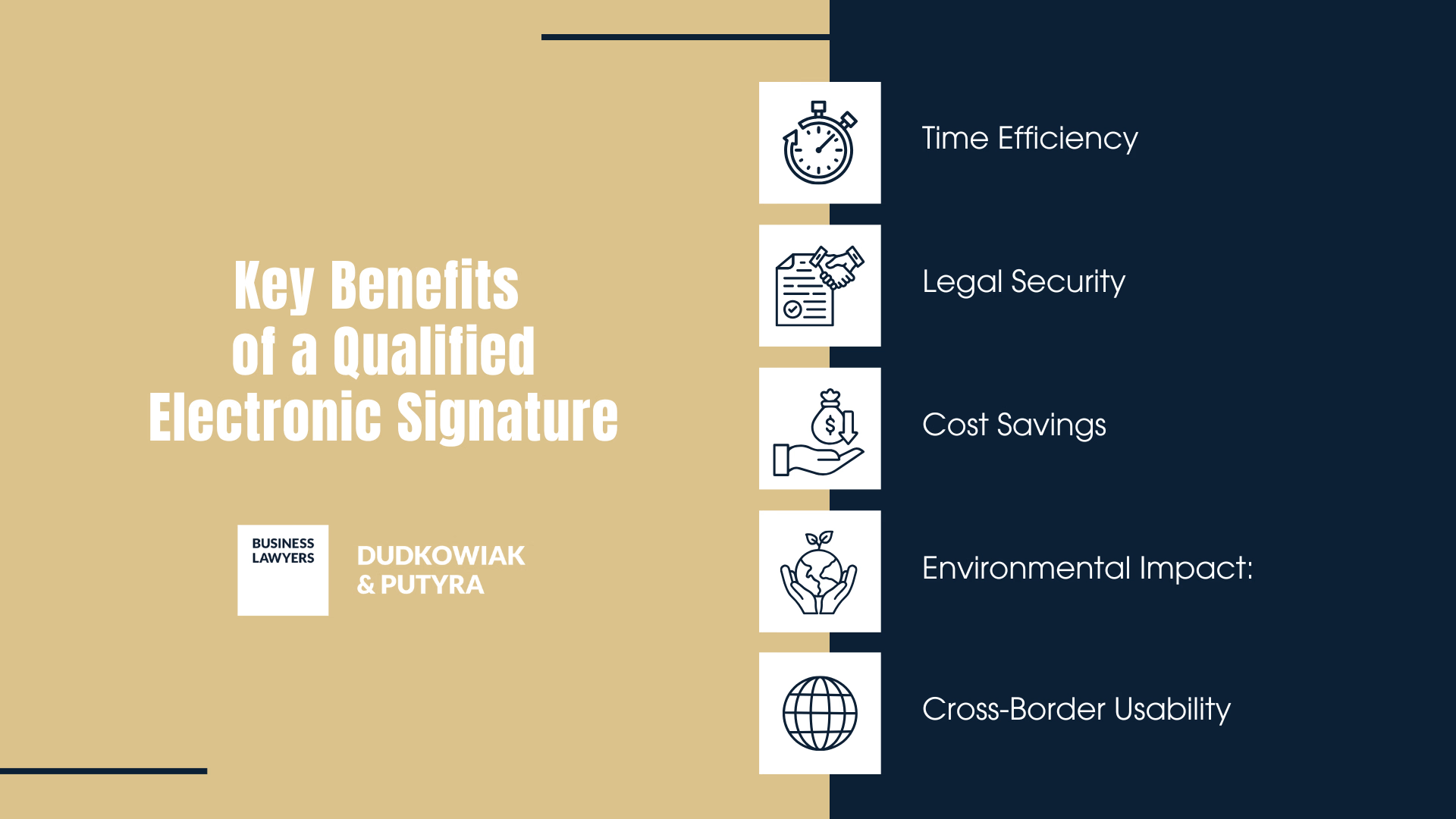 How to Obtain a Qualified Electronic Signature in Poland?
This article explains the concept of a qualified electronic signature under the EU eIDAS Regulation and its legal effect in Poland. It describes the process for obtaining a signature from a trust service provider, including required software installation. The piece highlights the benefits of qualified signatures for cross-border business transactions within the EU. It also discusses practical use cases for businesses operating in Poland.30 July, 2026
 Hiring Foreign Nationals in Poland – New Obligations for Employers and Changes to Work Permits
The article covers new legal obligations for Polish employers hiring foreign nationals, along with recent changes to the work permit system. It explains procedural updates affecting both employers and foreign employees. The piece highlights compliance risks for companies that fail to meet the new requirements. It serves as guidance for businesses actively recruiting non-EU talent in Poland.30 July, 2026
No insights found
We couldn't find any insights matching your current search and filters. Try removing some filters or using a different search term.
Talk to our legal team
Tell us what you need help with, and a member of our team will get back to you.
Contact us